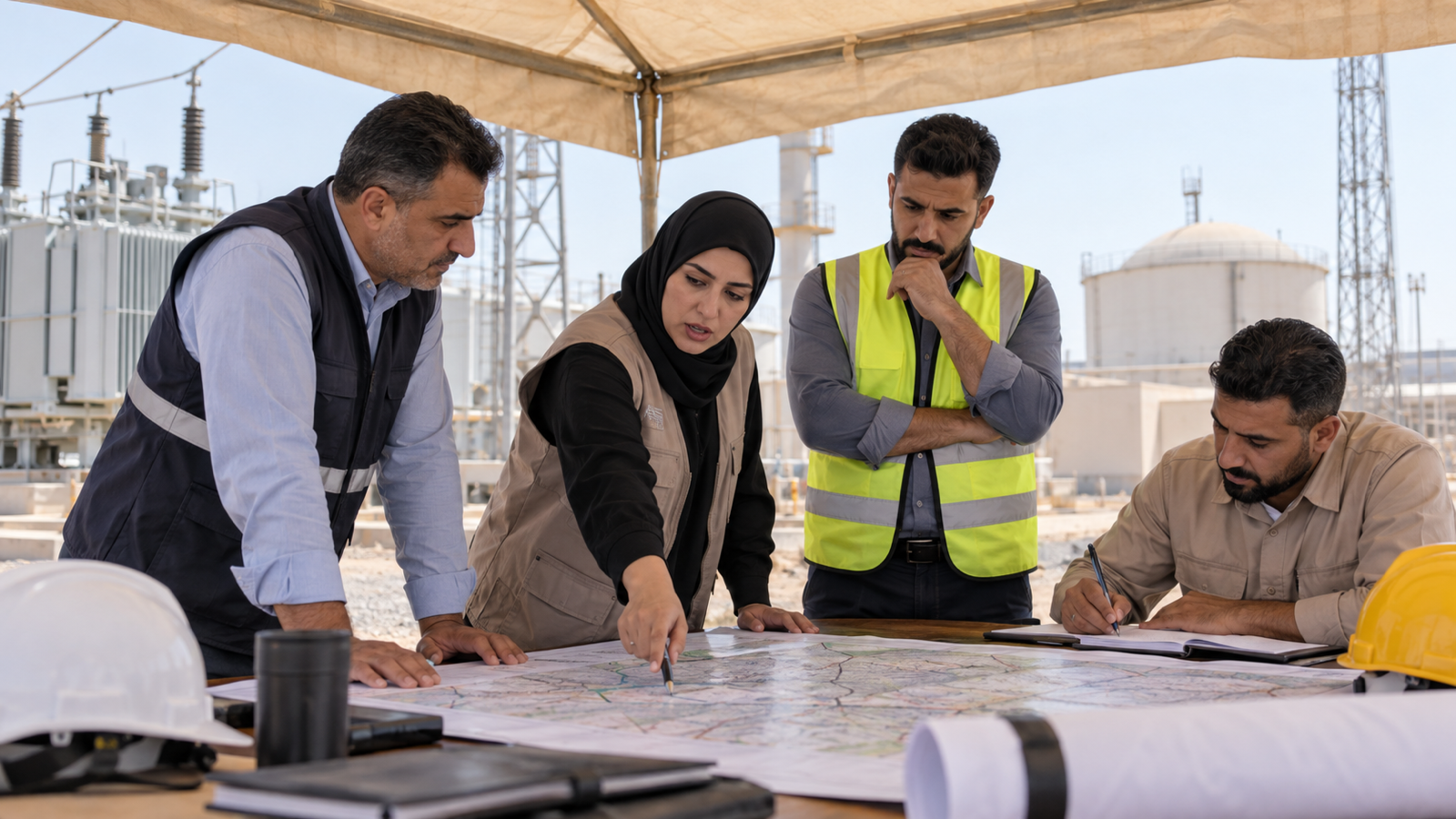

Safety and security teams often approach the same event from different directions. Safety may focus on hazards and controls; security may focus on threats, locations, and protective action. Duty of care brings these perspectives together around the people affected by the organisation's work.
The aim is not to make every team responsible for everything. It is to define who assesses the problem, who decides, and who ensures that the agreed action reaches the people who need it.
Separate accountability from task ownership
Senior leadership needs assurance that the organisation has workable arrangements and resources. Operational teams need specific responsibilities. These are different levels of ownership, and both matter.
For example, a country manager might decide to suspend travel, a security team might assess the threat, and an operations team might change transport arrangements. HR may support affected workers. Each role should understand the decision it owns and the information it must provide to others.
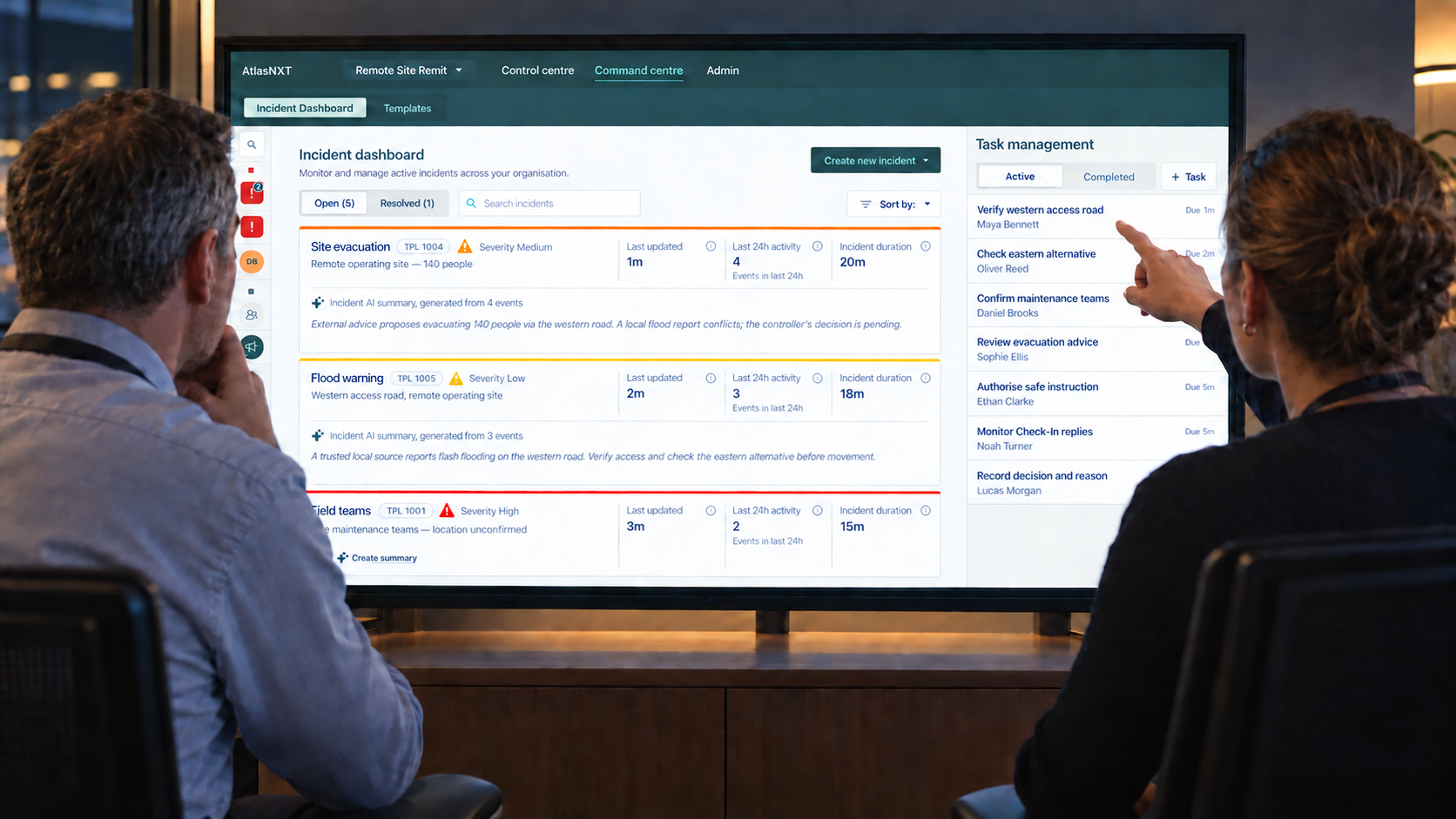
Agree a shared incident picture
An incident briefing should distinguish confirmed facts, unverified reports, and assumptions. Include the source and time of material information. A location report from yesterday should not silently become evidence of where a person is now.
JESIP's Joint Decision Model provides a useful reference for structured assessment and review.2 It was developed for joint emergency response; private organisations should adapt decision support to their own responsibilities, rather than present it as a universal corporate requirement.
For a regional disruption, a concise shared picture might contain the affected area, relevant workforce groups, known access constraints, current contact status, and the next decision deadline. More data is not automatically more clarity.
Set decision rights before the incident
Define thresholds for changing activity, escalating to leadership, and seeking specialist support. Include an alternative decision-maker when the normal owner is unavailable.
- Who can suspend a journey or close a site?
- Who approves a workforce notification?
- Who arranges medical or local security assistance?
- Who communicates with families or external parties?
- Who confirms that an incident can be closed?
Document these responsibilities in language that an on-call colleague can use quickly. Where judgement is required, explain the factors to consider rather than inventing a threshold that cannot fit the situation.
Make information sharing proportionate
Shared awareness does not require unrestricted access to worker information. Separate broad operational briefings from sensitive personal details. Specify who needs location, health, or contact information, and why.
The ICO's monitoring guidance is a relevant starting point when designing worker-monitoring arrangements.3 Consider necessity, transparency, access, and retention alongside the response workflow. Do not treat an emergency-management objective as automatic permission for continuous surveillance.
Give leadership evidence of performance
Report whether arrangements work, not simply whether a policy exists. Useful questions include whether unresolved actions have owners, whether response coverage matches operating hours, and whether recurring exercise failures have been fixed.
Keep assurance proportionate. A short explanation of a tested workflow and its remaining limitations can be more informative than a dashboard full of activity counts. HSE's management guidance connects planning, implementation, checking, and improvement.1
AtlasNXT can support the coordination layer through communications and incident workflows. The operating model should specify how those capabilities connect to local assistance and accountable decisions.
Frequently asked questions
Does security own duty of care?
Security may own important controls, but responsibilities can also involve safety, operations, HR, management, and specialist providers.
What belongs in a leadership report?
Significant exposures, control weaknesses, overdue corrective actions, and decisions requiring resources or authority.
What makes an incident record useful?
It explains what was known, what was decided, who acted, and what remains unresolved, with timestamps and appropriate access controls.
Explore the workflow with AtlasNXT
Bring a workforce scenario to an AtlasNXT demonstration and explore how communications, incident coordination, and follow-up would fit your team. Book a demo.
References
1. HSE: Managing for health and safety.