
Remote workforce communication depends on more than choosing several channels. Each channel has prerequisites, limitations, and a different recipient experience. A useful plan identifies how people can receive an instruction, respond, and obtain assistance when the first method fails.
Compare channels against the actual locations and tasks involved. Treat coverage, device setup, power, and user training as operational requirements that need testing, rather than assumptions hidden behind a “sent” status.
SMS: check the number and the network
SMS can be useful for short instructions without requiring an app session. It still depends on a suitable device, mobile service, and an accurate number. Roaming, local restrictions, network conditions, and message handling can affect the experience.
Keep instructions concise and test the reply path where it is part of the workflow. Ask the supplier what delivery reporting means in the relevant deployment. A technical delivery status should not automatically be treated as confirmation that the person understood the message.
Push notifications: verify the device setup
App notifications depend on the app and device being configured appropriately, including relevant permissions and connectivity. Test the experience on the devices and settings your workforce actually uses.
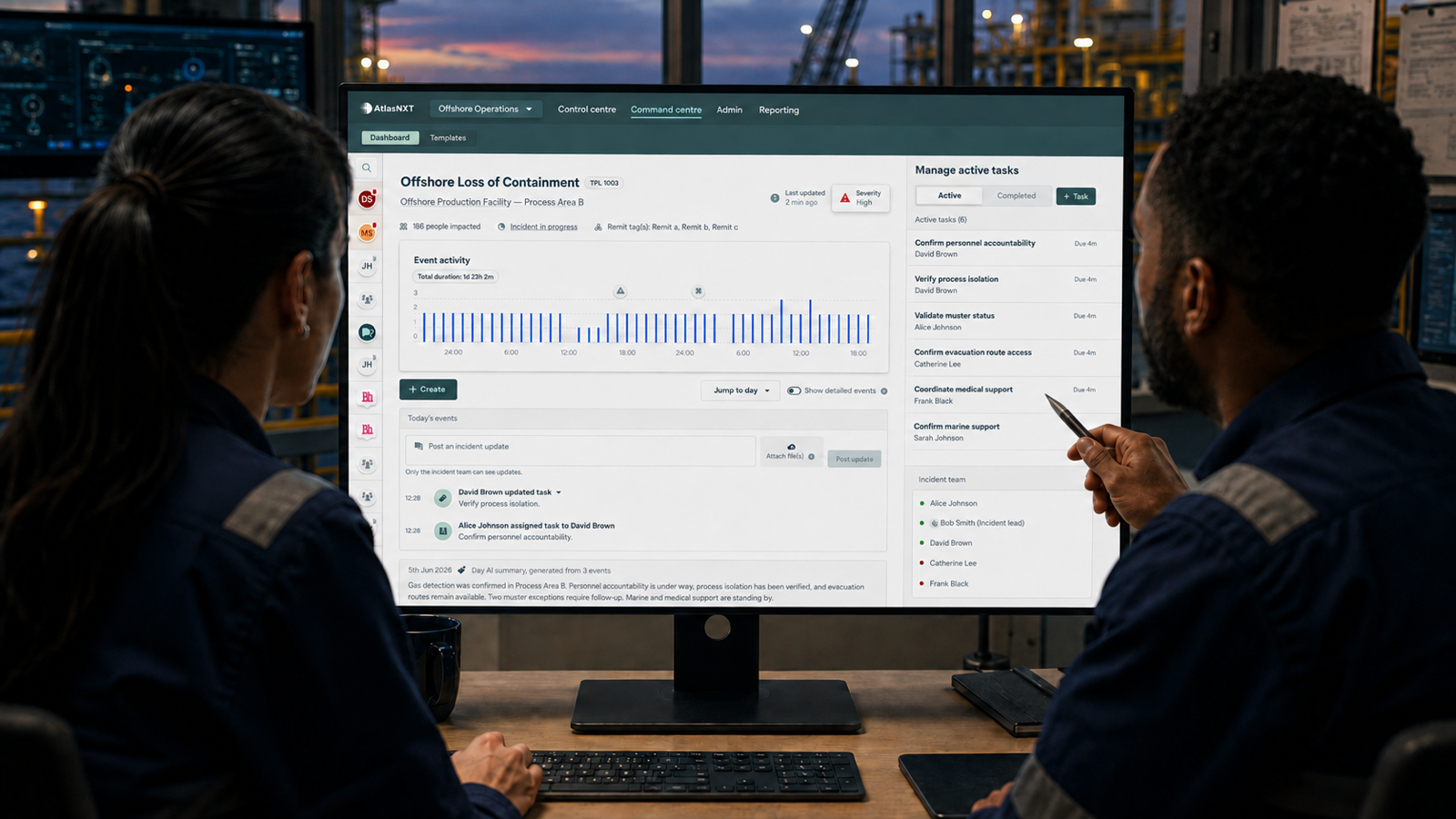
Consider what happens after a phone replacement, app removal, or permission change. Readiness checks can help expose these gaps before an event. ReachScore™ is designed to support that preparation within AtlasNXT.2
Voice: test the complete call experience
Voice can provide spoken instructions and, where configured, a way to respond. The recipient still needs a working call route and the ability to answer and understand the message.
Test voicemail, unanswered calls, language needs, and the meaning of any recorded response. Avoid making a call tree so complex that a stressed recipient cannot follow it. Define what the operations team does when a call does not produce the required confirmation.
Email: useful detail, uncertain attention
Email can carry more detail and provide a reference people can revisit. It may be unsuitable as the only urgent route for a worker who rarely checks an inbox during the task.
Use it where it supports the operating context, and avoid assuming that delivery or an open indicator establishes understanding. Keep the immediate action clear even when the message includes supporting information.
Satellite: plan the equipment and response
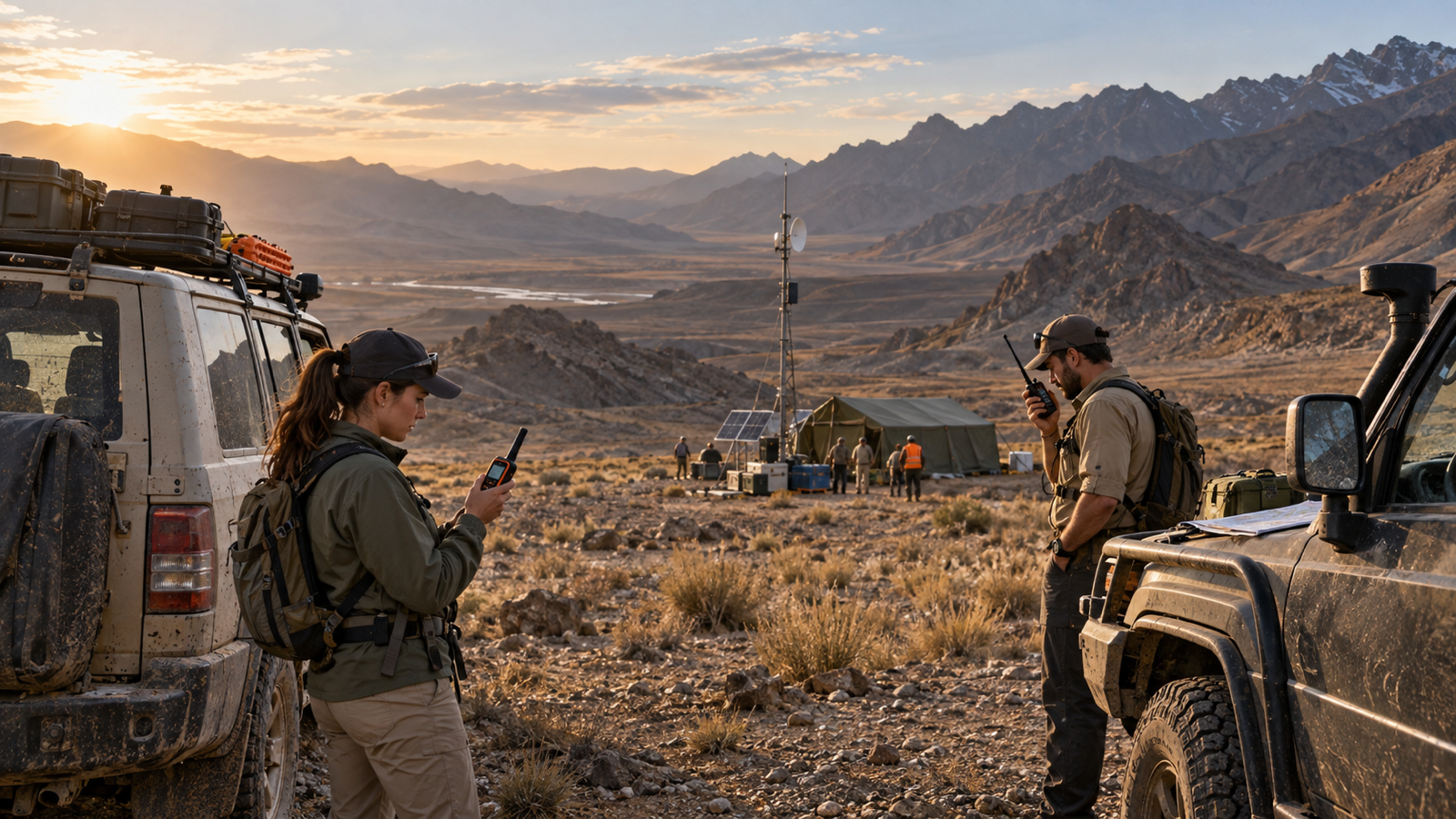
Satellite communications can support operations beyond cellular coverage when the equipment, service, and conditions are suitable. Device type, setup, power, positioning, and user familiarity matter. Capabilities differ, so confirm the exact messaging and response workflow available.
AtlasNXT's remote-communications material provides a relevant operational context.1 A satellite device should be part of an assessed plan, with a receiving team able to interpret the message and arrange realistic assistance.
Combine channels around a clear procedure
Choose a primary route and appropriate alternatives for each workforce group. Explain when alternatives are used and how duplicate replies are handled. Additional channels should improve the response rather than create conflicting instructions.
- Test in representative locations and working conditions.
- Check contact details, permissions, and equipment readiness.
- Use understandable instructions and an explicit response request.
- Distinguish delivery, acknowledgement, and welfare information.
- Assign ownership for non-responses and requests for help.
- Review failures and retest after changes.
The final measure is whether the communications plan supports a useful response. A broad channel list is only the starting point.
Frequently asked questions
Which channel is best for every remote worker?
There is no universal choice. Match the channel mix to location, equipment, task, and response requirements.
Does sending through several channels guarantee contact?
No. Channels can share dependencies or fail for different reasons. Test the plan and retain a defined escalation route.
What should a drill measure?
Whether people receive and understand the instruction, can reply as required, and receive appropriate follow-up when they need help or remain uncontactable.
Explore the workflow with AtlasNXT
Bring a workforce scenario to an AtlasNXT demonstration and explore how communications, incident coordination, and follow-up would fit your team. Book a demo.
References
1. AtlasNXT: Communications resilience for remote operations.