


What makes critical event management different for logistics operators?
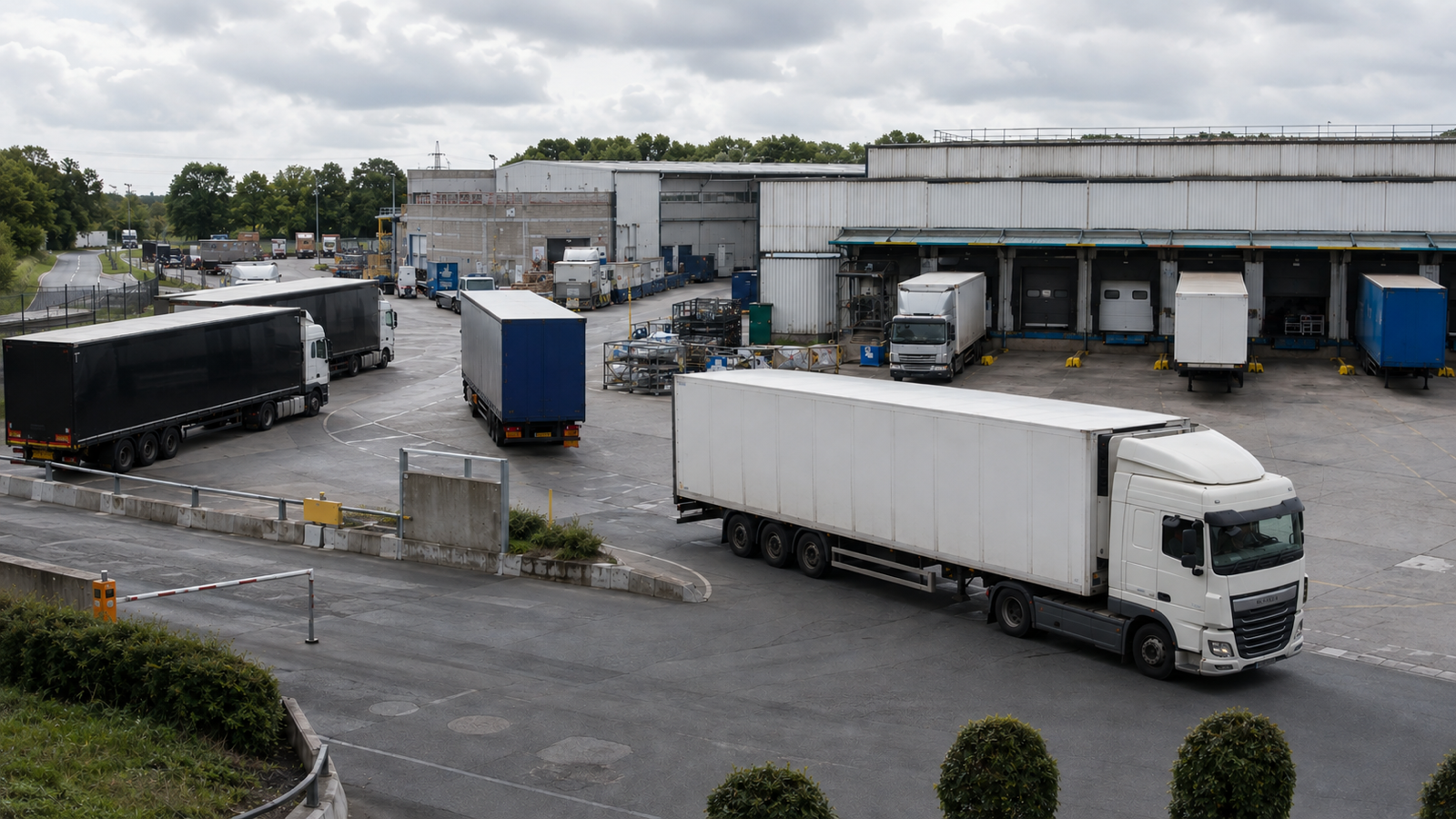
Logistics operators face a combination of factors that make critical event management more operationally demanding than it is in most industries. The workforce is dispersed across depots, vehicles, and customer sites, often in different time zones. The operation runs continuously, with different shifts, teams, and points of vulnerability at different times of day. The consequences of a communications failure can impact upon service levels that are contractually agreed with customers.1
The logistics sector has also become a primary target for cyber incidents that affect operational technology as well as corporate systems. A ransomware attack that takes down a transport management system or a warehouse management system does not only affect IT. It affects the ability of depot teams to receive instructions, of drivers to confirm deliveries, and of operations managers to see where their fleet is. The critical event communication system must operate independently of the systems it may be needed to compensate for.2
How should logistics operators structure their incident escalation protocols?
Incident escalation protocols for logistics operators should be structured around the operational hierarchy of the business, depot manager to regional operations manager to national operations director, with defined escalation time windows that reflect the pace at which logistics incidents develop and affect service levels. An incident that affects a single depot requires a different escalation path to one that affects a major hub or a national system.1
The escalation protocol must also specify what information is required at each level. A depot manager escalating a forklift incident to a regional operations manager needs to have the injury status, emergency services status, and site access implications immediately available. An operations director being informed of a network-wide system failure needs to know the affected depots, the estimated recovery time, and the customer accounts most at risk. The system must carry the right information to the right people without requiring the person escalating to assemble it manually under pressure.2
What are the communication challenges for a fleet of HGV and last-mile delivery drivers?
Drivers in a logistics network represent one of the most challenging communication populations for critical event management. They are mobile, often on routes with variable connectivity, operating under driving time regulations that restrict when they can safely use communication devices, and distributed across a wide geographic area at any given moment. A mass notification to the driver population, such as a severe weather warning, a route closure, or a depot security incident must reach drivers who may be on a motorway, at a customer site, or in a rest break area, without requiring them to engage with the notification in a way that is unsafe.1
Vehicle-based communication, such as in-cab messaging systems or fleet management platform notifications address that safety constraint by delivering messages that the driver can receive without using a handheld device. The critical requirement is that the driver’s acknowledgement of the notification is captured and visible to the operations centre, so that vehicles in the affected area can be confirmed as aware and responding.2
How do logistics operators manage business continuity when a key hub is affected?
When a key distribution hub is affected by a fire, flood, system failure, or other disruptive event, the logistics operator’s business continuity response requires two simultaneous streams of communication. The first is operational: alerting the depot teams, redirecting vehicles, notifying the depots that will absorb additional volume, and communicating with the customers whose deliveries will be affected. The second is managerial: escalating to the appropriate level of the business, engaging with insurers or recovery specialists if required, and maintaining a communication record that documents the timeline of the incident and the responses taken.1
A critical event management platform that handles both streams simultaneously allows operations and management to work in parallel from the first notification, rather than sequentially. The operational response does not wait for the management communication to be completed; the management communication does not require the operations manager to break away from the operational response to brief the leadership team.2
How does AtlasNXT support critical event management for logistics operators?
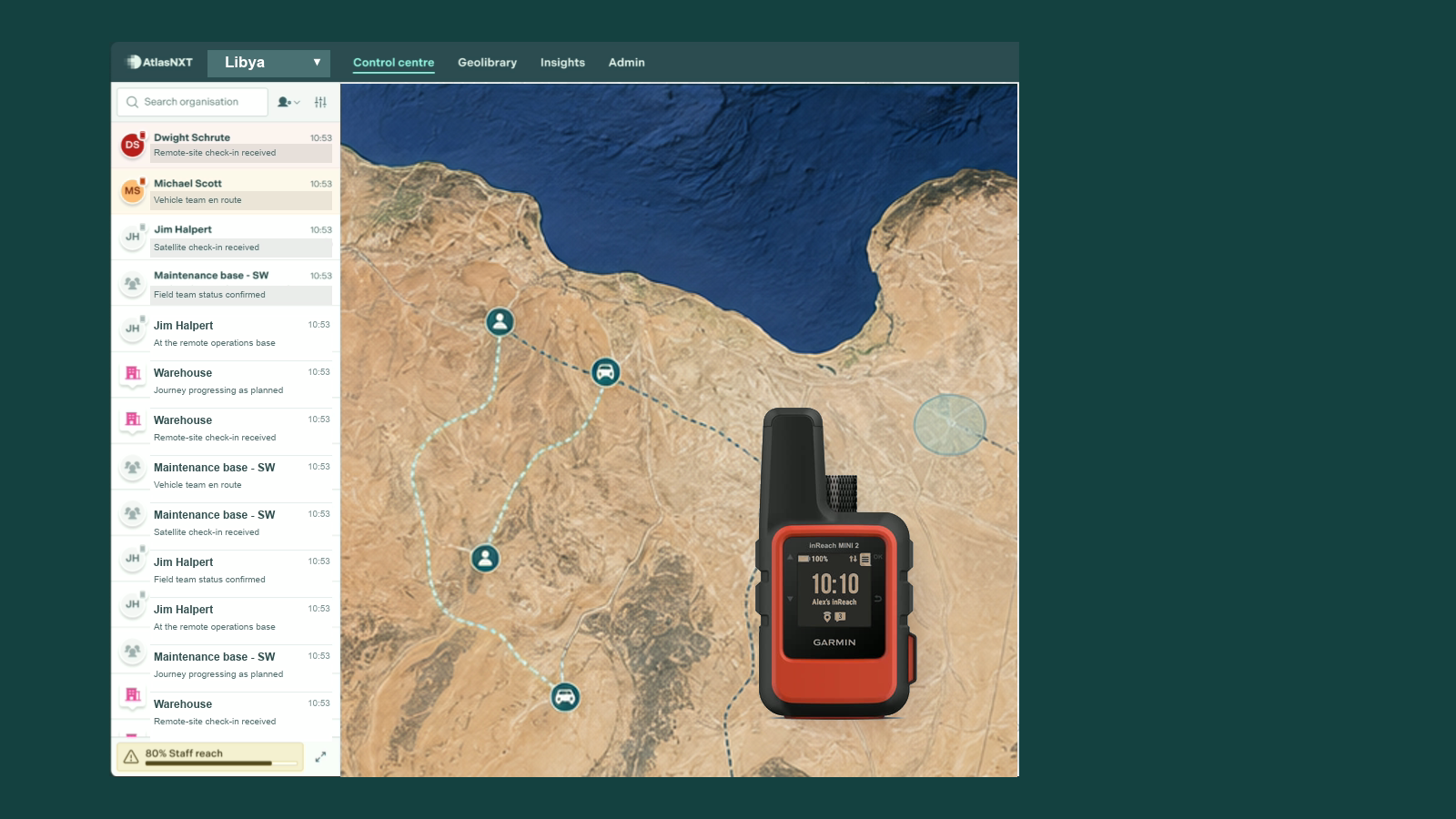
AtlasNXT provides logistics operators with a critical event management platform that reaches depot teams, drivers, and management simultaneously through multi-channel notification via SMS, voice, app push notification, and email, with group targeting that allows region-specific or fleet-wide alerts to be issued without manual list management. Its two-way communication function collects acknowledgements from drivers and depot staff in real time, providing the operations centre with a live view of who is aware and who requires follow-up.
Its escalation automation routes notifications through the management hierarchy with defined time windows, helping to ensure that a depot-level incident is escalated to regional and national management within the timeframe the business requires, without relying on manual escalation by a depot manager under operational pressure. Its reporting function provides the communication record that post-incident review, insurance claims, and customer SLA queries require.
To see how AtlasNXT could support your logistics operation, book a Complimentary Consultation.
References
1. UK Government, Supply chain resilience framework
2. International Organization for Standardization, ISO 22301 business continuity
.png)