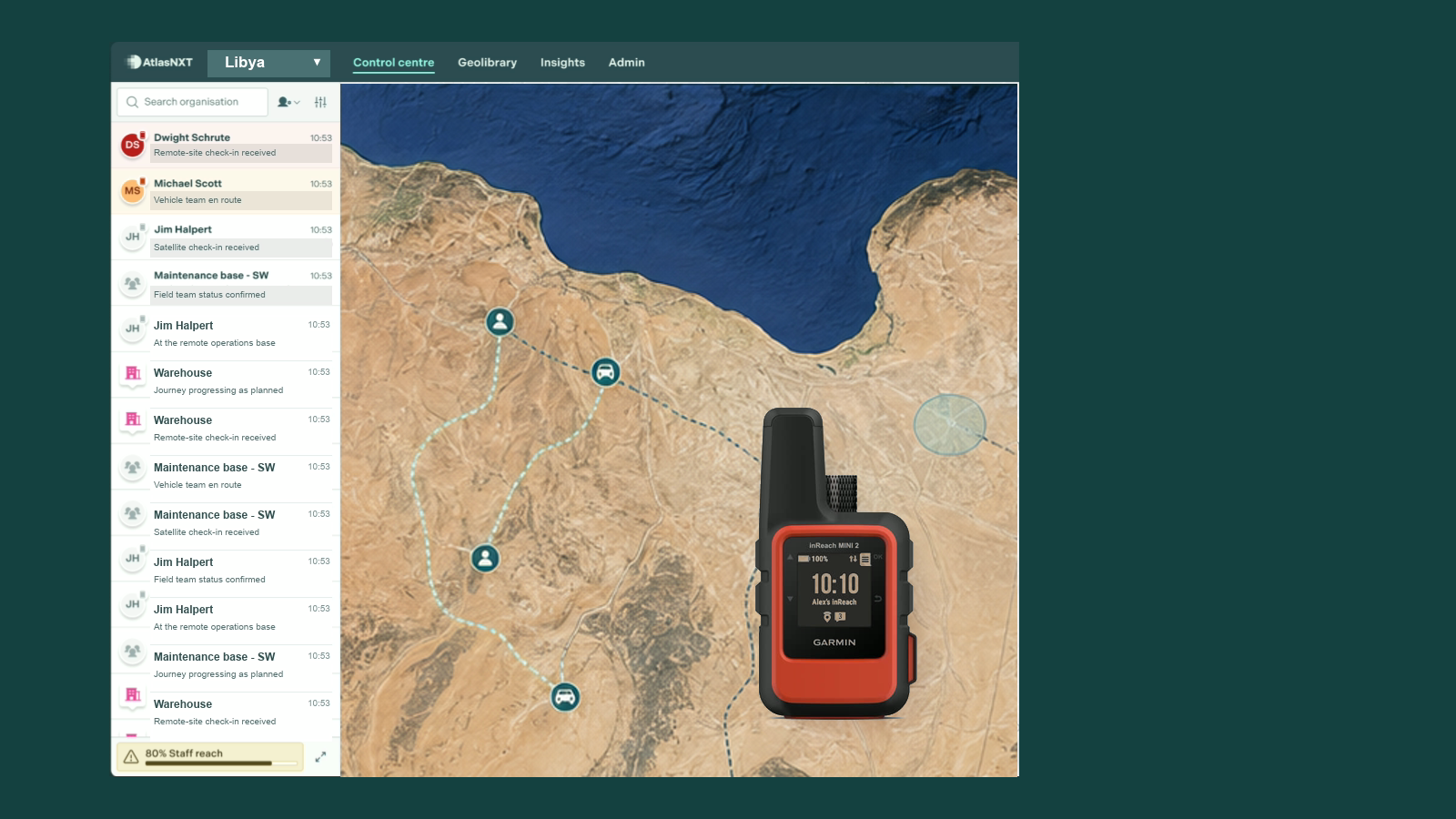
A security operations system should help a team make and carry out decisions when information is incomplete and time matters. The useful test is whether an operator can move from a credible signal to an owned response without losing context.
Evaluate the system through a scenario that reflects your workforce. A polished dashboard is easier to assess when you know which action the team must take next and what evidence it needs to do so.
Show the event and its limits
The operator should be able to identify the source, timestamp, affected area, and status of relevant information. Ask how updates and corrections are shown. An unverified report should remain distinguishable from confirmed information.
If the system uses automated summaries or recommendations, test how the operator can inspect the supporting information and override an unsuitable suggestion. The workflow should keep decision authority clear.
Help identify the right people
Test audience selection with realistic data, including a contractor, an outdated contact, and a person whose location is uncertain. Ask how the system makes those limitations visible.
The goal is not merely to draw an area on a map. The team needs to understand who is included, who may be omitted, and which additional checks are necessary. Privacy and access rules should remain effective during the exercise.
Support clear communications and replies
Send a test instruction through the channels relevant to the workforce. Check the recipient experience, not only the administrator's view. Confirm that the message is understandable and that the requested response is possible.
Distinguish dispatch, delivery status, acknowledgement, and a substantive welfare update. Ask the supplier to explain what each status means for each channel. A reassuring label should not conceal an uncertain outcome.
ReachScore™ is designed to support readiness assessment before an event.2 During the event, the team still needs to interpret actual communication results and follow up where required.
Keep unresolved work visible
Introduce a recipient who requests assistance and another who does not respond. Check whether the operator can assign ownership, set the next action, escalate, and transfer the case without losing its history.
The system should support the team's process for reviewing replies and following up. Ask what happens if two operators act on the same case or an assigned responder becomes unavailable. Test permissions with realistic roles rather than giving everyone administrator access.
Survive the handover
A crisis can outlast a shift. Have a second operator take over using the available record. They should be able to explain the situation, outstanding decisions, and immediate priorities without relying on the first operator's memory.
HSE's handover guidance provides a useful reference for this exercise.3 The product demonstration should also establish how records can be retained or exported for authorised review.
Record acceptance criteria before the demo
- Audience selection makes data limitations visible.
- Recipients can understand and respond to the instruction.
- Unresolved cases have an owner and next action.
- Escalations and handovers preserve context.
- Permissions match the organisation's responsibilities.
- The review record explains decisions and outcomes.
AtlasNXT's GSOC workflow is a relevant starting point for a workforce-response demonstration.1 Use the same scenario and acceptance criteria for every shortlisted platform.
Frequently asked questions
Should every process be automated?
No. Decide which actions are appropriate for automation and which need human judgement or approval, then test those boundaries.
Is a delivery report enough?
Not when the procedure needs a reply, welfare confirmation, or assistance. Test the whole workflow.
Who should attend the demonstration?
Include operational users and the people responsible for response, data protection, technical integration, and service ownership.
Explore the workflow with AtlasNXT
Bring a workforce scenario to an AtlasNXT demonstration and explore how communications, incident coordination, and follow-up would fit your team. Book a demo.
References
1. AtlasNXT: GSOC mass notification and security operations.