


What is the duty of care challenge for defence contractors operating in complex environments?
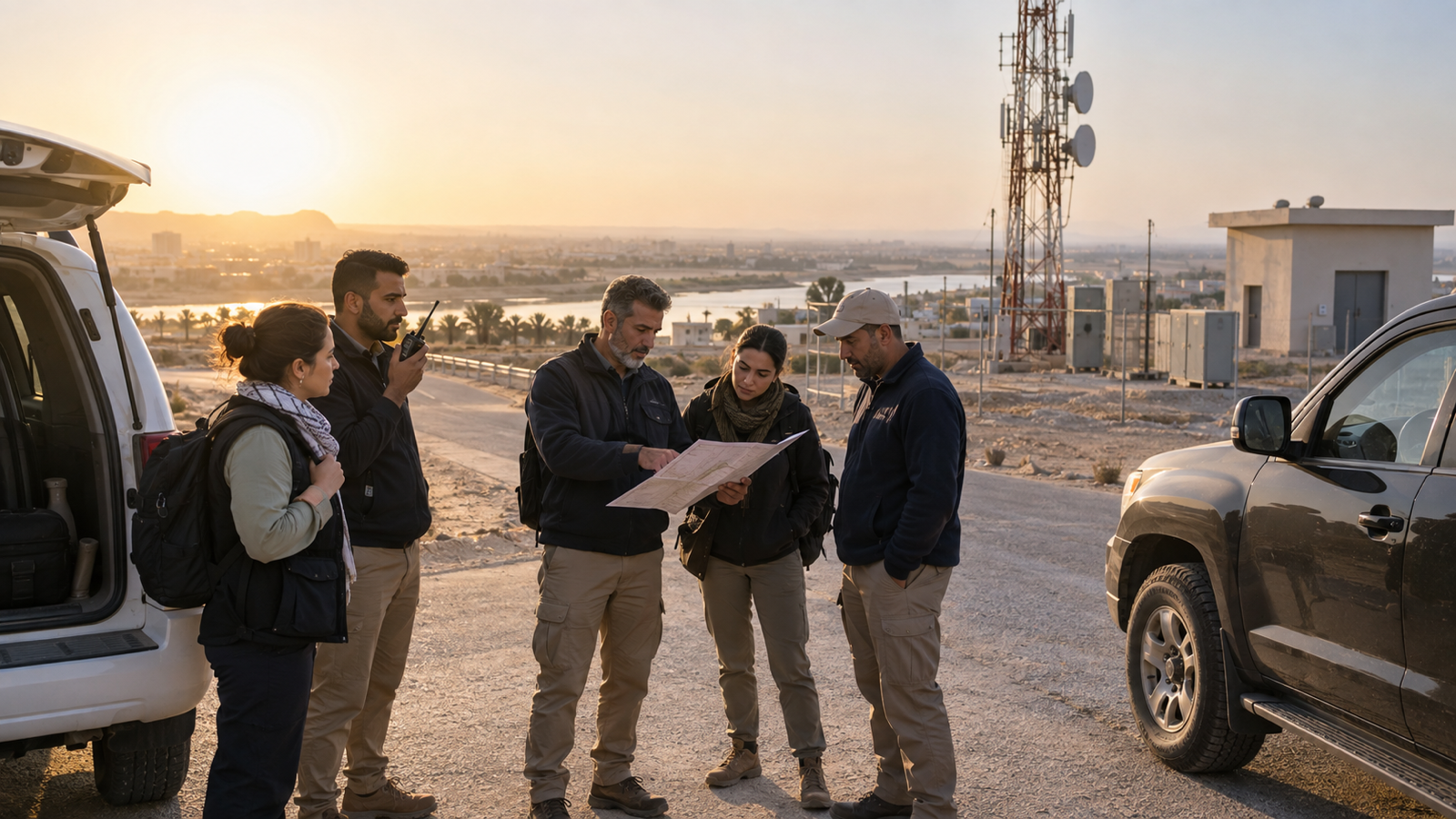
When a defence contractor deploys civilian project managers, engineers, logistics personnel, or advisers to an overseas theatre, those individuals operate in a risk environment shaped by military operations but protected by commercial means. Force protection for uniformed personnel does not extend to civilians except by arrangement, and those arrangements are not always reliable in a fast-moving situation.
The deploying organisation holds the duty of care. That means it must demonstrate it knows where its people are, can reach them when a threat emerges, has a plan for their evacuation or protection, and can coordinate a response without relying entirely on the military chain of command.
Critical event management (CEM) is the operational infrastructure that makes that duty of care real rather than notional.
What happens when a threat emerges affecting deployed civilians?
In a rapidly evolving security situation, the organisation deploying civilian personnel needs to answer seven questions immediately: what is actually happening, who is affected, what is the impact, who is in charge, what has been done, what must happen next, and what has leadership been told.
Without a CEM platform, those questions are answered through a combination of phone calls, messaging apps, duty officer logs, and information from in-country security contacts that may be contradictory or delayed. The result is a response that runs on best guesses rather than verified facts.
What should a CEM platform provide for a defence contractor?
A critical event management platform for a defence contractor needs to be reliable in degraded communications environments, capable of reaching individuals by multiple channels, and designed for the command-and-control discipline that defence organisations expect.
Command structure. There should be a clearly declared incident commander, a structured Incident Room, and a separation between the command function (deciding what should happen) and the control function, making it happen. Blurring those roles in a high-stakes environment is how responses lose coherence.
Population accountability. At any moment, the organisation must be able to identify who is at any given location. Live tracking for deployed personnel, combined with regular automated check ins for those in higher-risk areas, provides the baseline accountability that duty of care requires.
Mass notification to all deployed personnel. When a security situation escalates, the entire deployed population needs to receive protective action instructions simultaneously. A CEM platform like AtlasNXT provides this across all available channels, with confirmation tracking so that non-responders can be escalated immediately.
Complete audit trail. Defence contracts often require formal incident reporting, and litigation risk in the event of a civilian casualty is significant. A timestamped record of every action taken, every notification sent, and every decision made is not optional: it is the foundation of legal accountability.
How do contractors manage the handoff between in-country security and home-office response?
One of the most common failure points in defence contractor emergency response is the transition between in-country crisis management and home-office command. The country security manager is handling the immediate situation with incomplete information whilst the home office is trying to understand what is happening without a clear operational picture.
A CEM platform solves this by maintaining a single, shared Incident Room that both in-country and home-office teams access simultaneously. Information flows into the incident record from the field and is visible to all authorised parties in real time. The command structure is explicit. Tasks are assigned and tracked. Communication to family members, corporate leadership, and the client is coordinated from the same platform.
What is the role of mass notification for contractors working at overseas project sites?
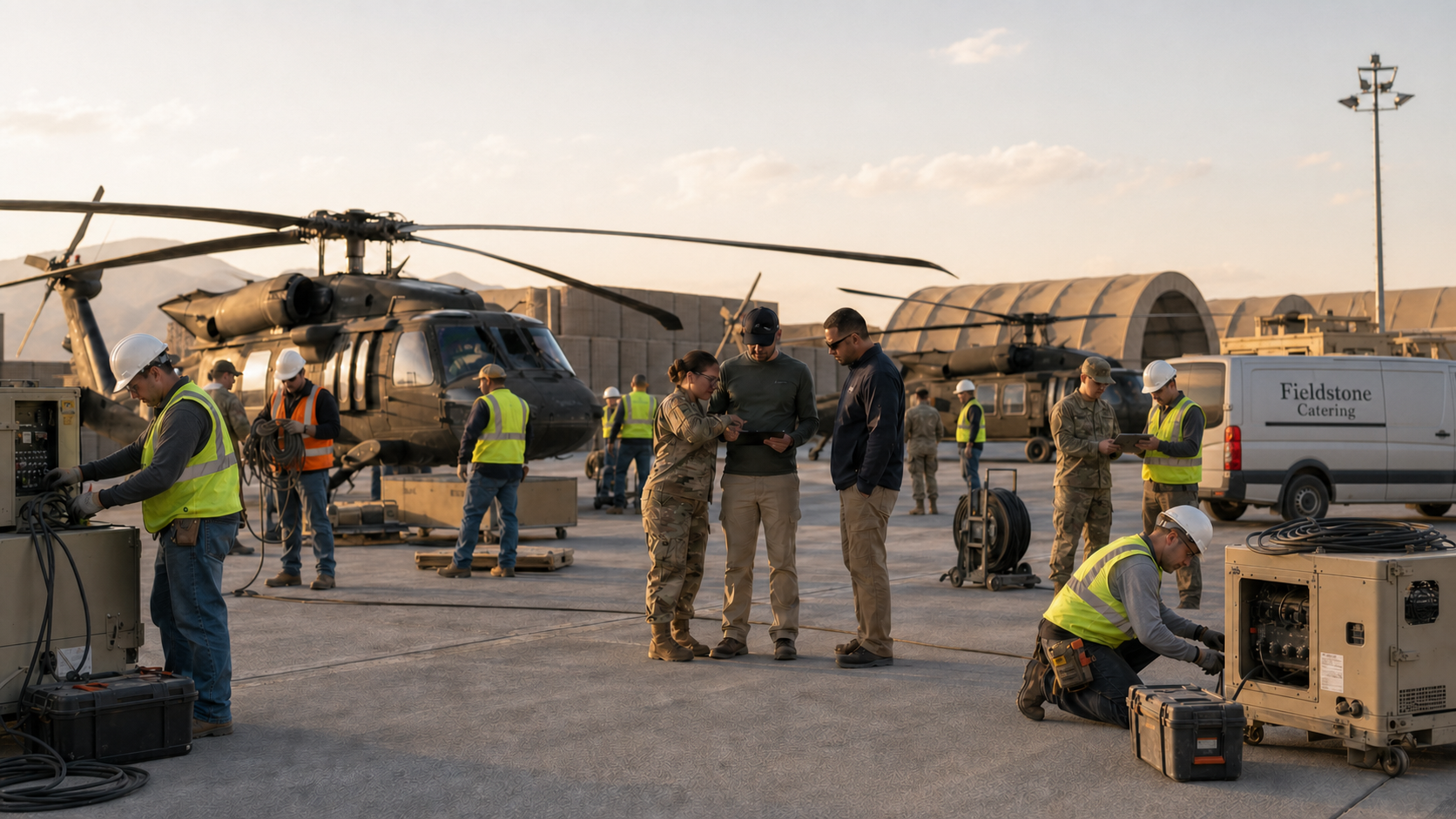
Project sites often aggregate large numbers of civilian contractors from multiple organisations. When a security event, accident, or natural disaster occurs at a site, the contractor responsible for site operations needs to reach everyone simultaneously, regardless of which organisation they work for or whether they have an account on the CEM platform.
QR code-based incident reporting and notification mechanisms that do not require app registration extend critical event management to the full site population, including subcontractors and local staff.
AtlasNXT brings incident management, mass notification, and real time people tracking into a unified critical event management platform for organisations that deploy personnel into complex and high-risk environments. Get in touch to see how it supports civilian duty of care beyond the wire.