

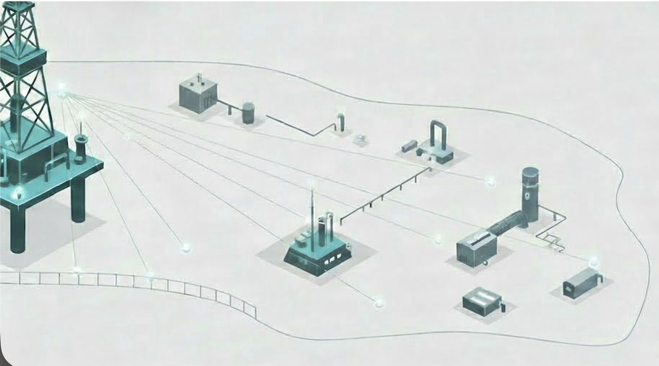

In Oil & Gas, risk doesn’t stop at the fence line, and neither should Duty of Care. The workforce is increasingly mobile, projects are more remote, and the threat picture now combines physical, cyber, health, and psychosocial risks in a way traditional site-based models were never designed for.
The risk has certainly shifted. This has been evidenced by recent current affairs around the world.
Remote, harsh environments, long rotations, and intense operational pressure are driving fatigue, isolation, and mental health challenges that directly affect safety and performance of staff.
OT–IT convergence, remote access, and third‑party connectivity mean that a cyber incident can quickly become a safety, environmental, or continuity event.Lone workers, contractors, and travelling staff often sit outside the “main site”, but they still carry your risk, your brand, and your legal exposure wherever they go.
Duty of care now follows the worker, follows your staff on rotation, follows executives, follows contractors.Legal and regulatory expectations are expanding beyond the fixed workplace, covering travel, remote work, psychosocial risk, and broader definitions of a “safe system of work”.Boards and senior leadership are being held personally accountable for how they anticipate, manage, and evidence Duty of Care in high‑hazard environments.
Investors, partners, and talent are increasingly using safety culture and visible worker protection as a proxy for how seriously an operator manages risk.
Beyond the perimeter: what does good look like?
1. Real‑time visibility of people and operations, regardless of whether they are on a flagship site, a remote pad, a vessel, or in transit between locations.
2. Integrated physical, cyber, and health risk intelligence, so you can move from reactive incident response to proactive, intelligence‑led decision‑making.
3. Privacy‑aware location and communication capabilities that help you reach the right people, fast, with clear guidance when conditions deteriorate.
4. A strategic advantage, not just compliance
5. Extending Duty of Care beyond the perimeter reduces downtime, improves retention, and strengthens licence to operate in increasingly scrutinised markets.
6. Organisations that treat Duty of Care as a strategic capability, rather than a compliance checkbox, build more resilient operations and more engaged workforces.
So what?
In an industry where “acceptable” risk is constantly being redefined, knowing where your people are, what they are facing, and how to support them is becoming a core differentiator.
If you’re responsible for HSE, security, or operations in Oil & Gas and are re‑thinking how your Duty of Care extends beyond the perimeter, it would be valuable to compare notes on how others are approaching this, so book a meeting with me and let's discuss.
.png)