




What is a Lone Worker? What Dangers Do They Face?
The HSE classifies lone workers as 'someone working without close or direct supervision,' incorporating wide job ranges. Working remotely presents challenges for employers and lone workers.
Safety and protection is now critical. Covid-19 pandemic and hybrid/mobile workforces, remote working mean workers may be alone more than ever. Delivery services like Deliveroo and Amazon amplify requirements for duty of care. Deliveroo drivers in Dublin faced violent incidents: "Several violent incidents occurred, some beginning as robberies of Deliveroo staff."
Recent terror incidents and Sarah Everard's tragic case highlighted protecting lone workers and female workers traveling alone—both inside and outside working hours.
A Risky Business: Threats to Lone Worker Safety
In the UK
Post-pandemic, hybrid working means employees often work alone or without direct supervision for extended periods. "The HSE states employers must manage health and safety risks before allowing people to work alone. This applies to contracted workers, including self-employed people."
Particular UK lone worker risks include stress and mental health issues, medical suitability concerns, isolated workplaces, workplace violence, COVID-19 and personal safety concerns during evening hours.
Employers have legal duty of care supporting lone workers' physical and mental health. Carry out risk assessments, modify environments and provide support combating isolation, stress and anxiety.
"If employees cannot be seen or heard by colleagues, they're lone workers—including remote staff. Estimated 8 million UK lone workers (22% of 31.2m population)."
Alarmingly, "66% of isolated workers reported experiencing violence and aggression from the public."
Abroad
When overseas travel is involved, lone working risks heighten. "Political instability, terrorism, kidnap threats, language barriers, jet lag and criminal targeting of expensive devices, valuables and cash are additional hazards."
International Protect and Prepare Security Office founder Chris Phillips (30+ year police officer): "Virtually everybody is a lone worker. If companies send workers traveling—UK or overseas—protecting them is their responsibility."
Shocking statistics: "300-400 British citizens annually face hostage or kidnapping globally. Companies must be aware of security risks everywhere they send staff."
Globally, approximately 40,000 annual kidnappings occur. Over 40% are business personnel or dependents. Highest-risk regions include Mexico, Libya and Bangladesh.
Companies should have crisis management systems expecting the unexpected and protecting staff when worst happens.
The Sarah Everard Movement and Privacy-First Technology
Recent UK events highlighted ensuring duty of care to female employees traveling alone—inside and outside working hours. Sarah Everard's case sparked female security movements.
Protective intelligence technologies monitoring female worker safety must be privacy-first and user-consent driven. End-users should determine tracking and disable active tracking when safely reaching destinations or no longer feeling at risk.
Employers' duty of care over employees after hours has spotlighted recently. "Thousands of women shared experiencing unsafe feelings or sexual harassment while alone following Sarah Everard's disappearance."
"97% of women aged 18-24 experienced sexual harassment lifetime; 80% aged 25+ also experienced it."
Trust Culture and Privacy-First Outlook
Solutions protecting lone worker safety must be privacy-first. Half of WEF-surveyed CEOs cited regulation as 2021 priority. "This reflects rising government assertiveness around privacy, data and health—amplified by COVID-19."
"Trust consists of three components: what you say, what you do, and how you perform."
Trust depends on employees maintaining brand confidence. Organisations must be reliable, dependable, accountable and transparent—internally and externally—in duty of care and data privacy handling, especially with GDPR and CCPA changes.
Modern circumstances—COVID-19 impact, online activity boom, terror threats and hybrid working—have married organisational obligations ensuring duty of care and privacy protection for employees and extended networks.
The AtlasNXT Platform
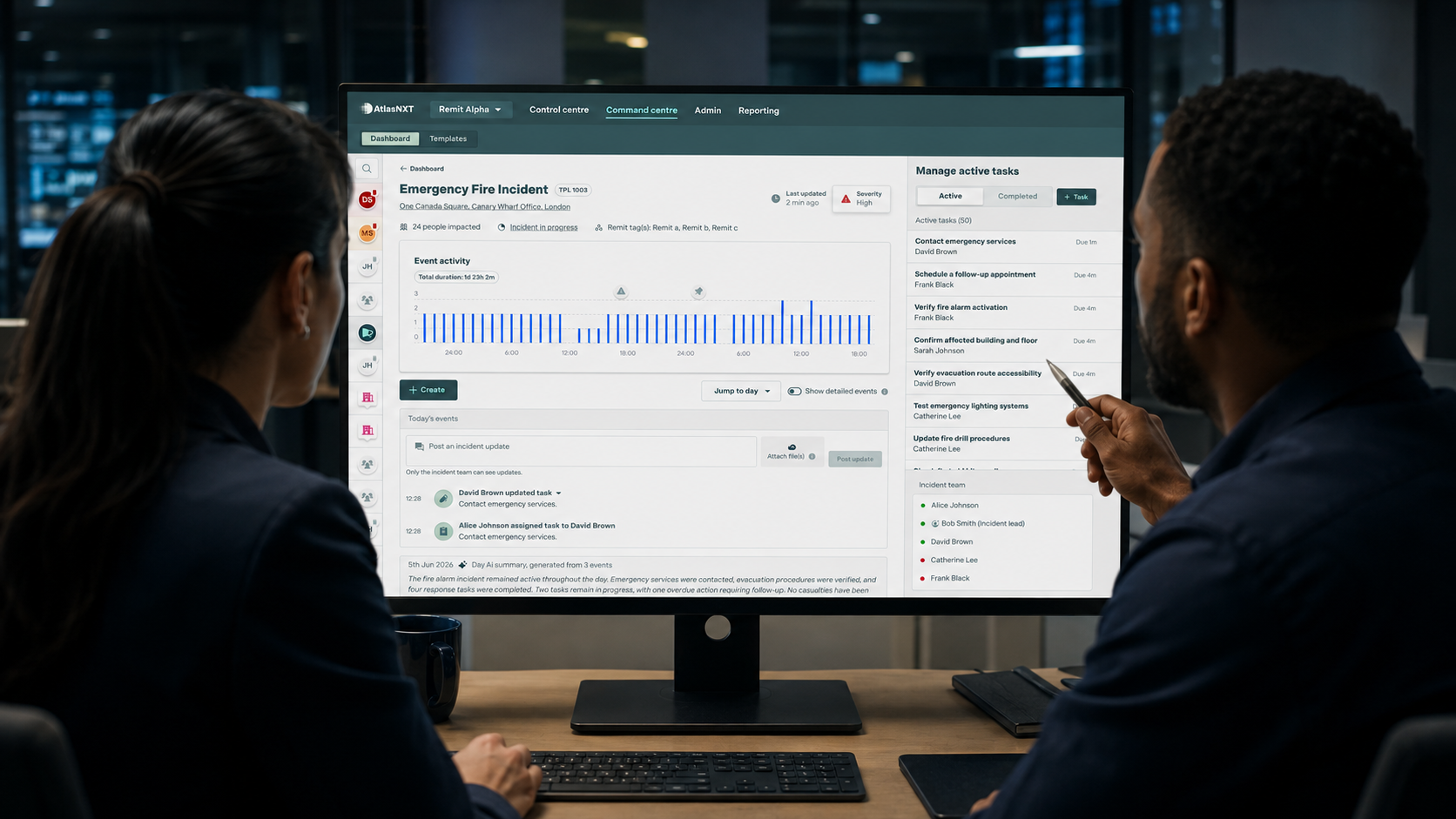
AtlasNXT is next-generation location intelligence keeping employees safe, enabled and engaged. It uniquely applies location intelligence solving enterprise security, duty of care and communication challenges, optimising adoption through intuitive experience built on privacy-first principles.
AtlasNXT platform and app enhance employee-security team connections, putting trusted relevant information and support into hands when needed.
Overwatch
Overwatch provides peace of mind for lone and female workers traveling alone—inside or outside working hours. This smartphone-initiated safety feature lets app users in unsettling situations initiate active-tracking sessions. Users temporarily share live location with web platform operators who monitor progress on maps and provide ongoing assistance until safely reaching destinations.
Takeaways
Ensuring lone worker and female traveling-alone safety is now critical. Organisations must have systems protecting people while respecting privacy at all times.
Protection necessity stems from hybrid/remote working increases, terror incidents, tragic female security events and violence threats to lone workers.
Our blog offers suggestions ensuring organisations protect lone and traveling female workers.

.png)
